Skip to content
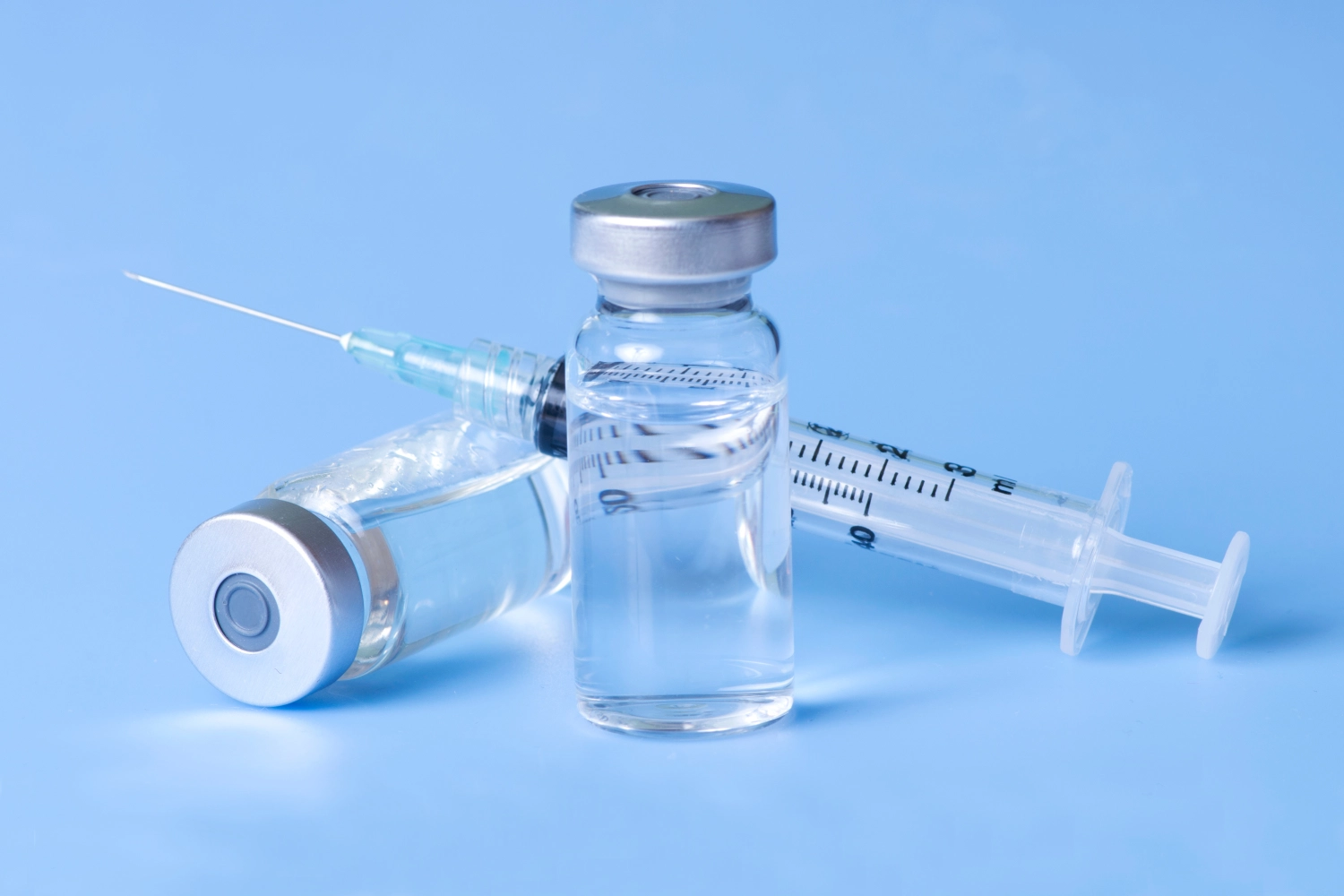
“Microdosing” GLP-1 has become a popular phrase as people look for ways to use these medications at lower doses, often with the hope of fewer side effects. But does a smaller dose still work, and is it right for everyone?
As a medical aesthetics practice that also cares about whole-person health, we are often part of these conversations, even if another provider manages the prescription.
What People Mean by Microdosing GLP-1
Microdosing usually refers to:
- Starting at a lower dose than typical protocols
- Increasing more slowly
- Staying at a lower maintenance dose when possible
The idea is to find a dose that supports appetite regulation and weight goals while minimizing side effects such as nausea or fatigue.
Potential Benefits of Lower Doses
For some patients, careful dosing may:
- Improve tolerance
- Reduce the intensity of side effects
- Allow more time to adjust eating patterns and lifestyle habits
- Support a slower, more sustainable rate of weight loss
This must always be decided with the prescribing clinician. Self-adjusting GLP-1 doses on your own is not safe.
Why Microdosing Is Not a Shortcut
A smaller dose is not automatically better for everyone. It may be:
- Too low to be effective for some
- Just right for others
- A starting point on the way to standard therapeutic doses
The real work of medical weight loss still involves nutrition, movement, sleep, and stress management. Medication is one tool, not the entire solution.
Aesthetics Considerations with Microdosing
From an aesthetics perspective, microdosing GLP-1 may:
- Lead to slower, more gradual facial changes
- Give skin and connective tissue more time to adapt
- Allow us to plan filler, collagen stimulators, and laser treatments at a thoughtful pace
Whether you are on a standard dose or a lower dose, we can help you plan for how weight changes may affect your face and skin over time.